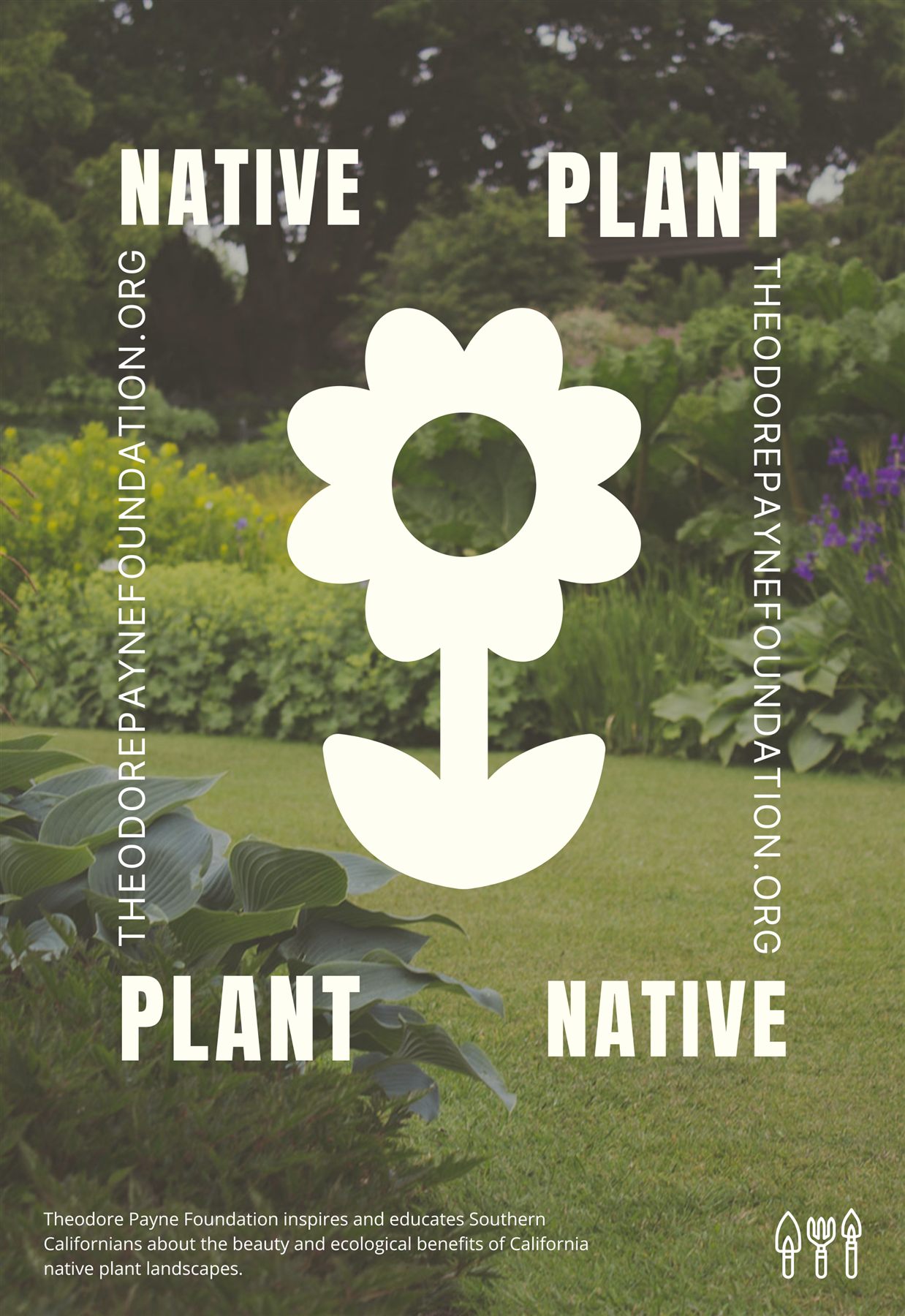
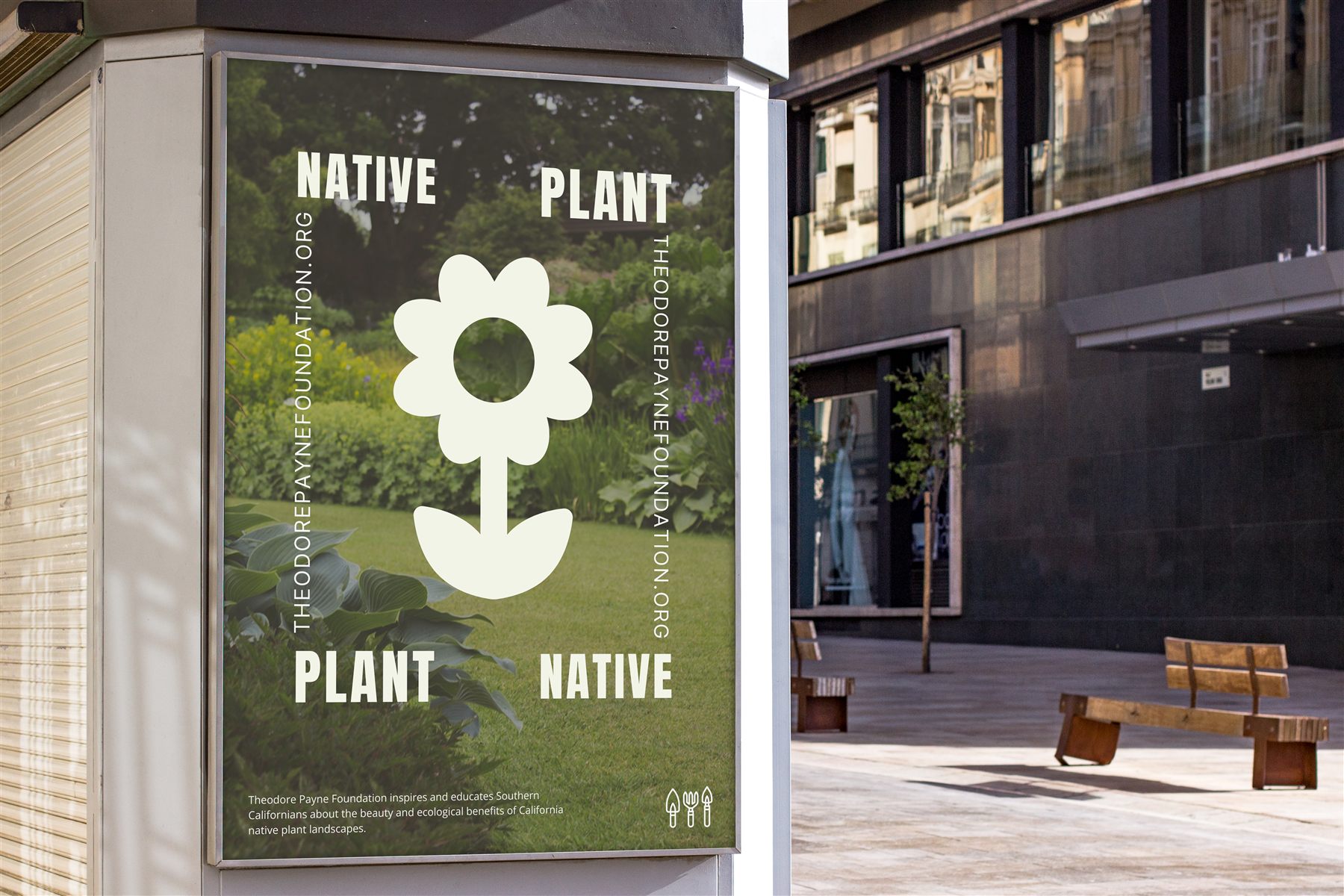
Theodore Payne Foundation inspires and educates Southern Californians about the beauty and ecological benefits of California native plant landscapes. Their primary goals are to normalize native plant landscapes, and to engage and educate a larger and more diverse audience.
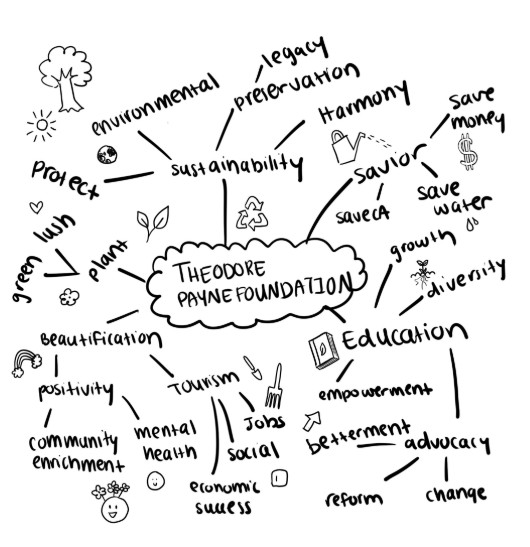
In order to begin the design process, I started with a word-map, including doodles (of course), to better make connections on what key words I wanted to focus on.
I landed on happiness, beautification, sustainability and education. These will drive how I build everything, from the audiences to the thumbnails.
Beautifying the environment improves mental health and provides local communities with visual enrichment.
Educating people on how to sustainably live in and enrich our environment will benefit society as a whole. This all comes together into a strong driver for design.
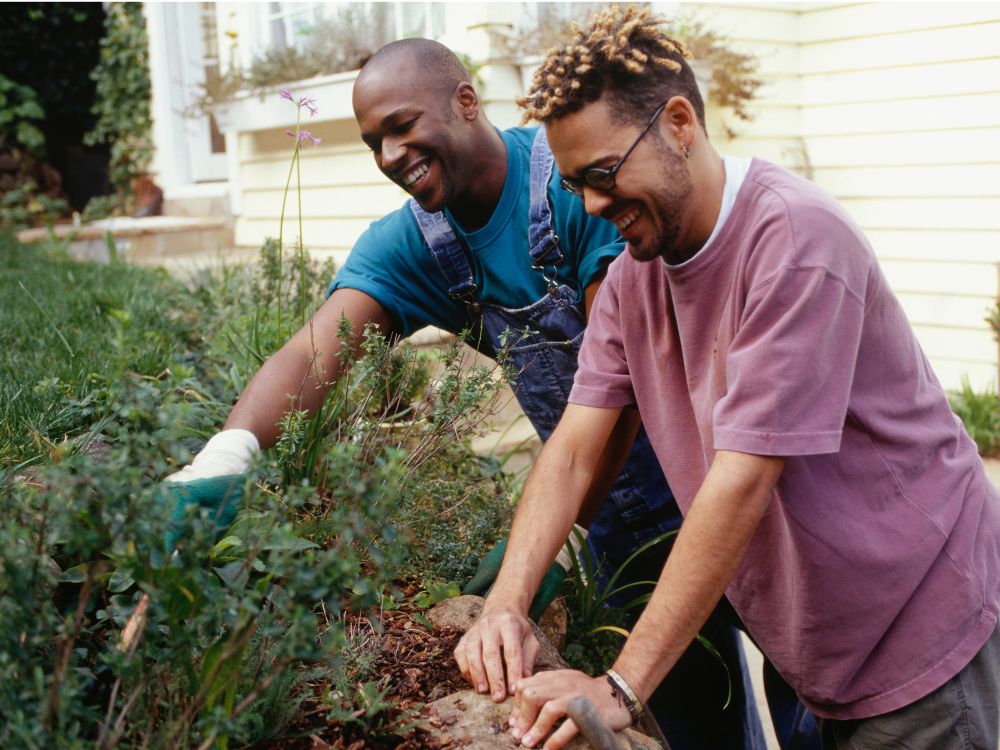
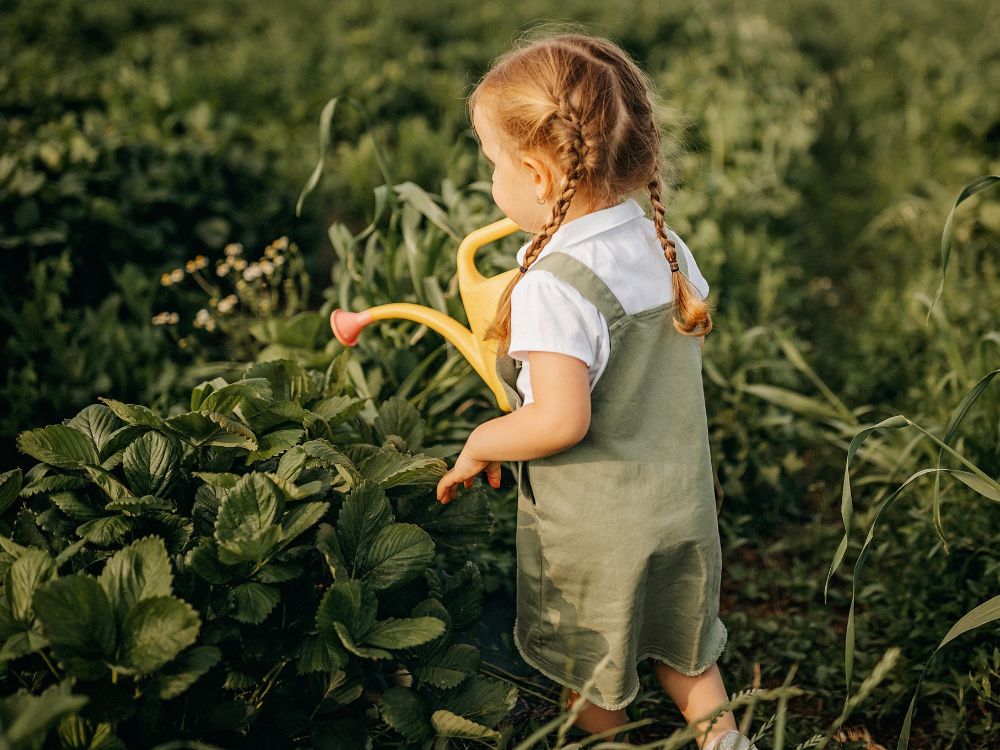
Interested in landscaping for personal reasons. This mainly includes homeowners, especially those who have more flexible schedules. Financial savings might be a primary driver for this group.
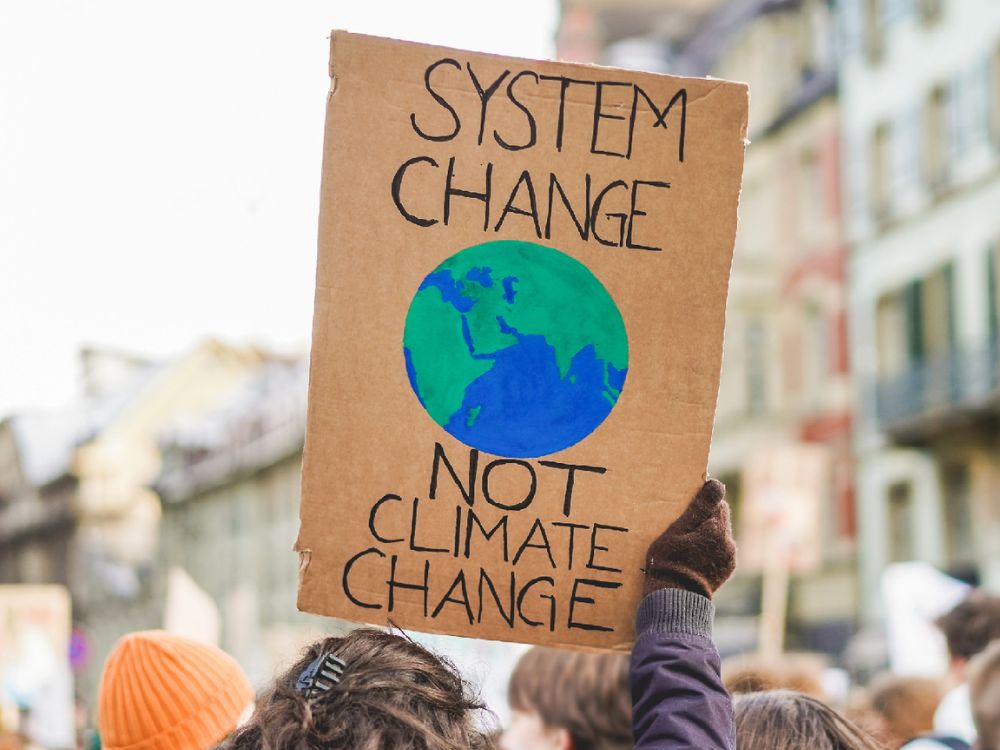
Students with a special interest in sustainability, whether they are studying a related topic or are simply passionate about improving the environment. Potential volunteers.
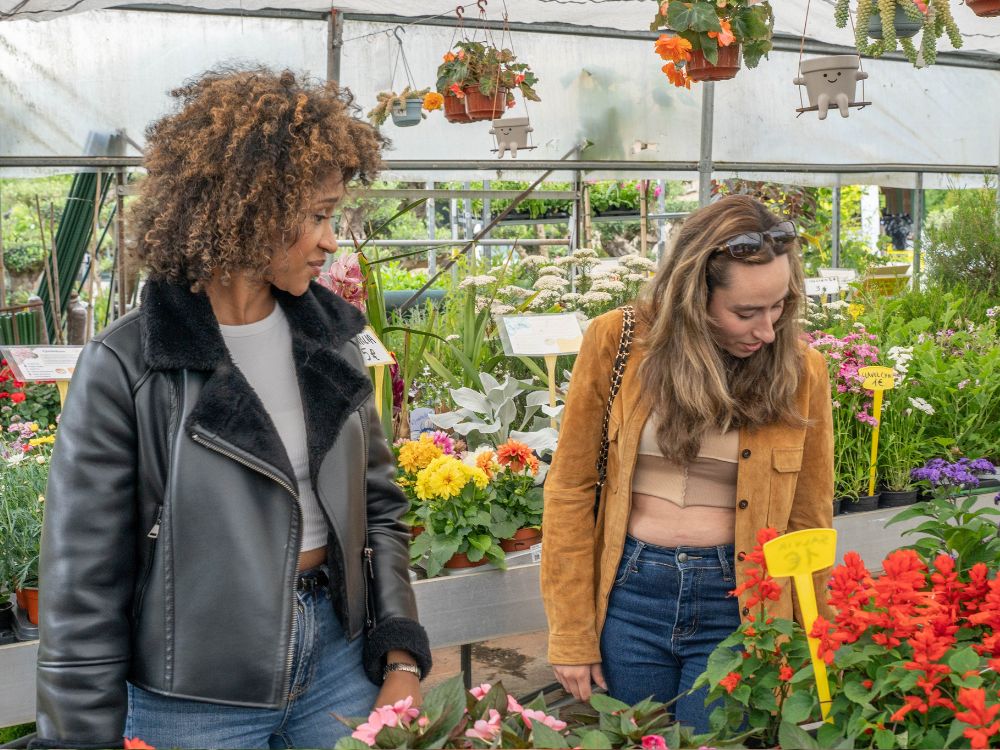
Individuals who primarily shop the plant nursery, but may not have interest in more. Might participate if native plants are effectively marketed and merchandised in the nursery.
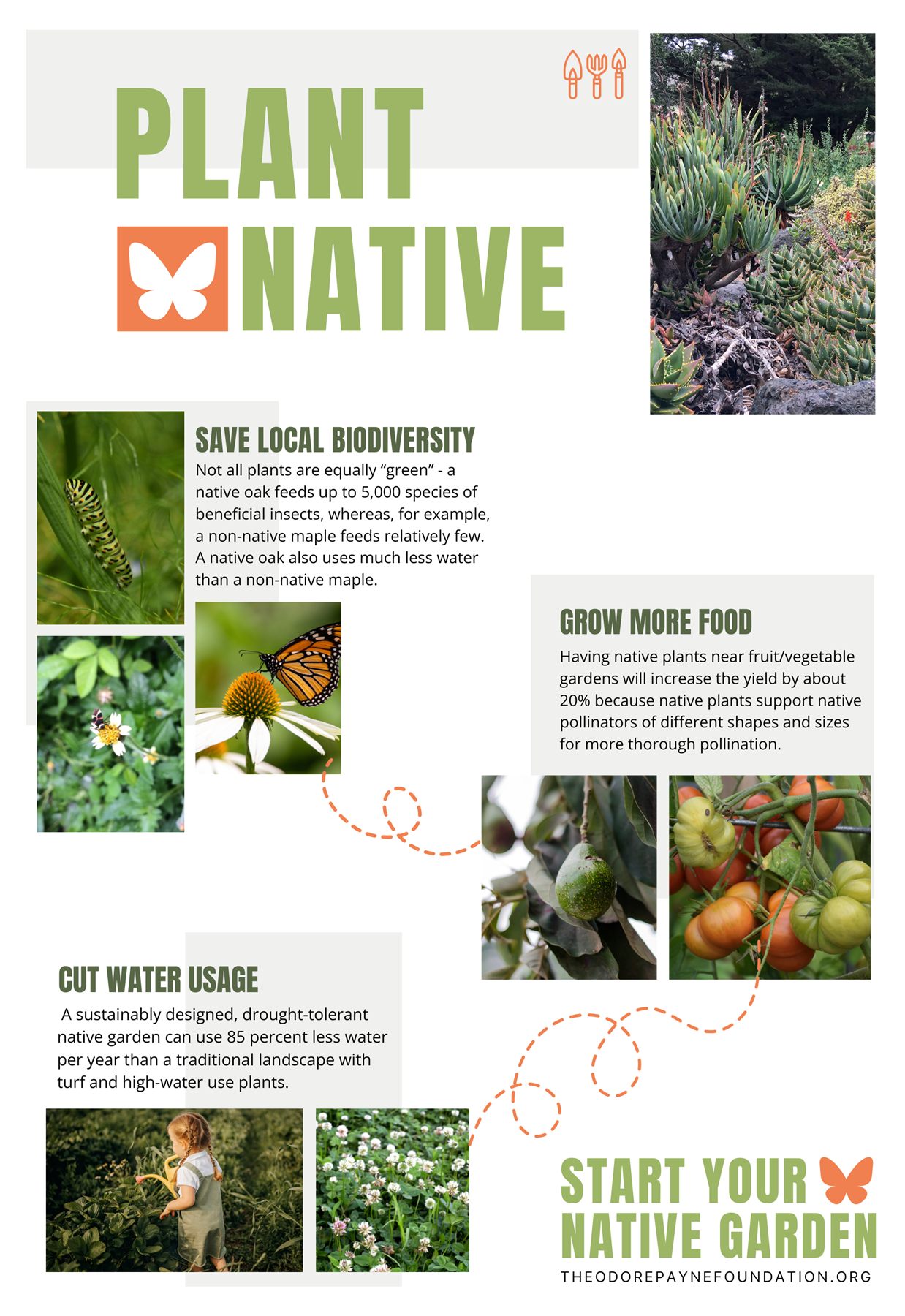
California native plants need no fertilizers, soil amendments, or pesticides, which harm soil, fresh water, and ocean health – and the case for planting them is backed by hard numbers.


"Urban and suburban native plant gardens will be the make or break difference for the support of biodiversity."
— Tallamy, 2009
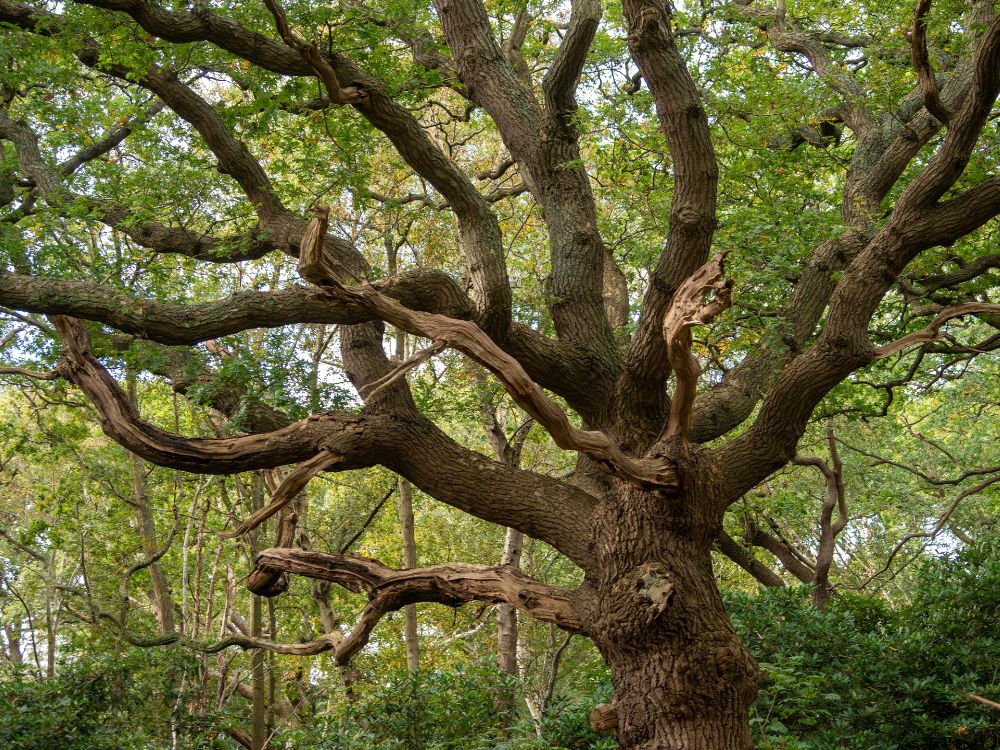
Not all plants are equally "green." A native oak feeds up to 5,000 species of beneficial insects, whereas a non-native maple feeds relatively few – while also using much more water. Planting native near fruit and vegetable gardens increases yield by about 20%, since native plants support native pollinators of different shapes and sizes for more thorough pollination.
The current species extinction rate vastly exceeds the normal background rate. Creating habitat in our communities – parkways, medians, public spaces, and private gardens – is one of the ways we can help. (Barnosky et al., 2011)
The campaign moved from broad exploration to a focused final direction across four rounds of iteration.
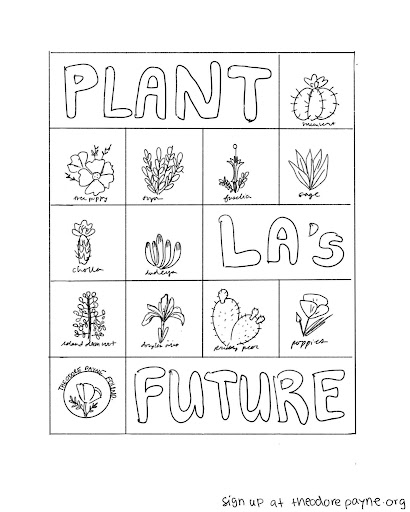
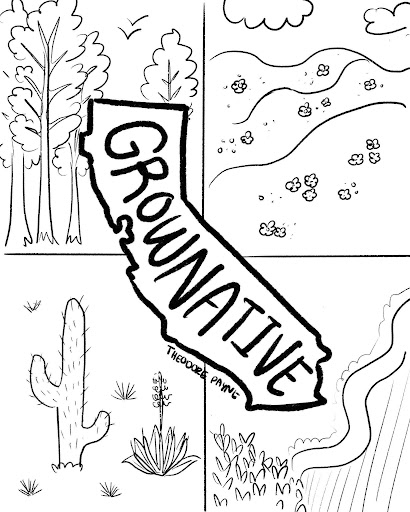
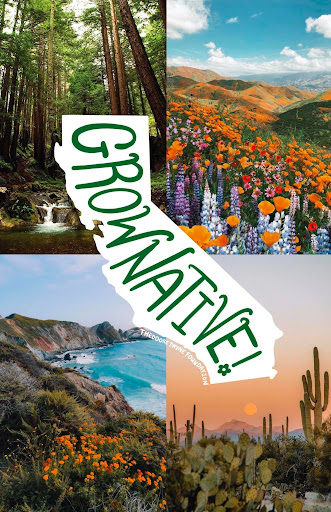
The goal was to show a variety of California native plants while focusing in more regionally, showcasing the large variety of California's natural landscapes and subtly reminding the general public of the state's ecological diversity.
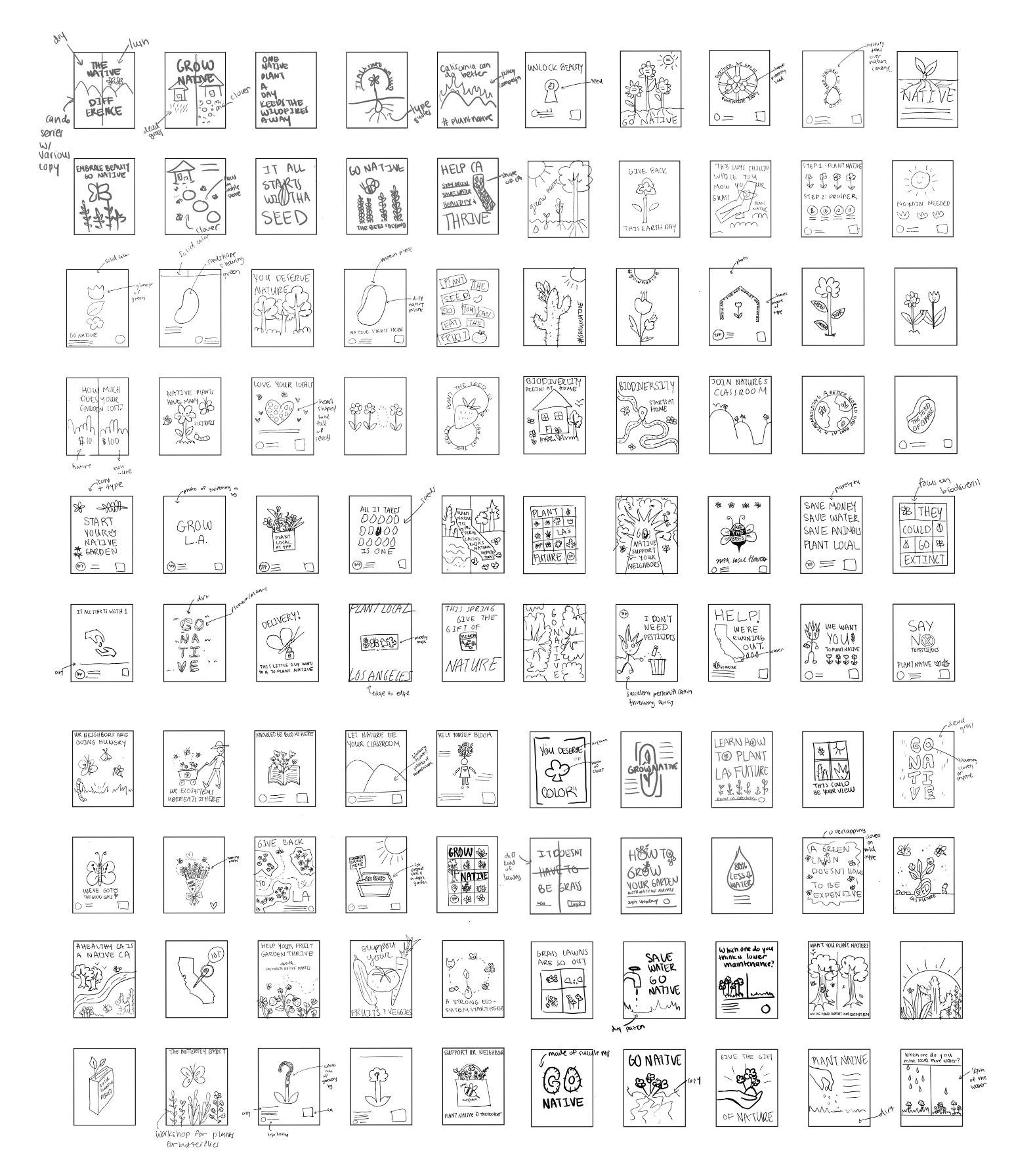
I selected 6 of the 100 thumbnails to develop out into rough drafts with more detail, allowing myself to better make a decision on what concepts are strongest.
The goal is to show a variety of California native plants while focusing in more regionally. This could also be hung decoratively.
The goal is to show the large variety of California's natural landscapes and more subtly remind the general public of the importance of native plants.
Rather than focusing on regions, this is to showcase the TPF and promote interest in them. This would include more cartoony doodles.
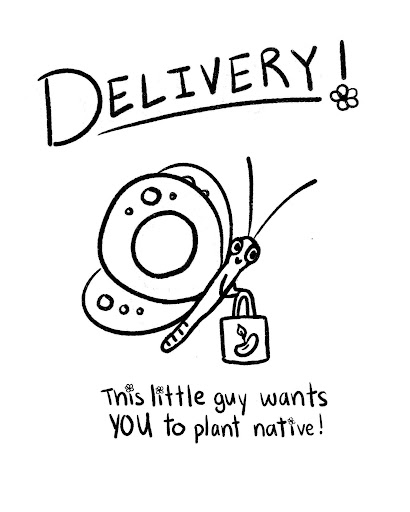
Silly little butterfly delivering native seeds! This type of lighthearted campaign might induce more positive feelings and a sense of hope.
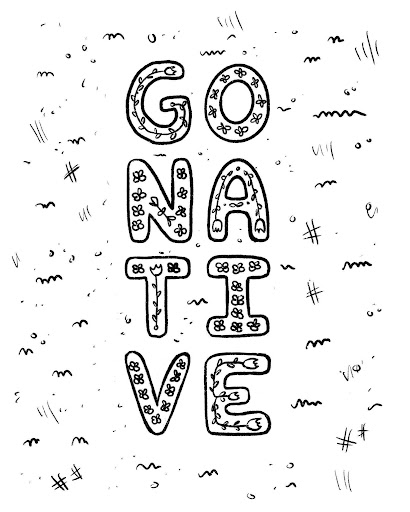
This would be a simple campaign message of "GO NATIVE." I'm envisioning it as flowers bursting from dirt, but may also explore drawing flower icons on type.
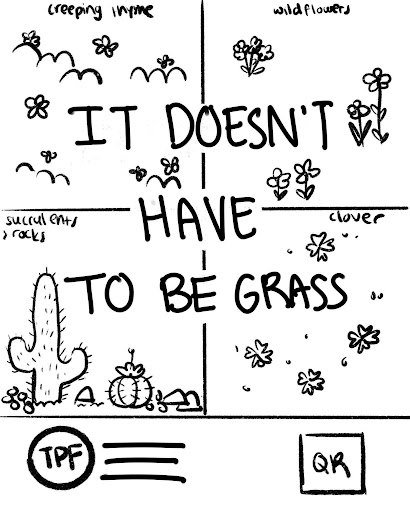
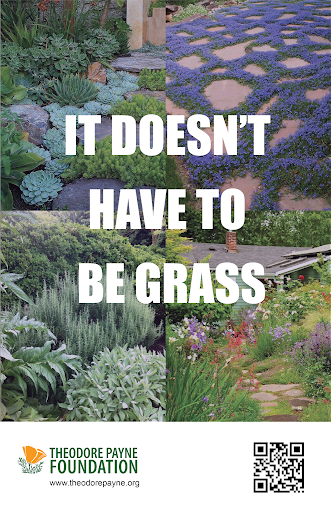
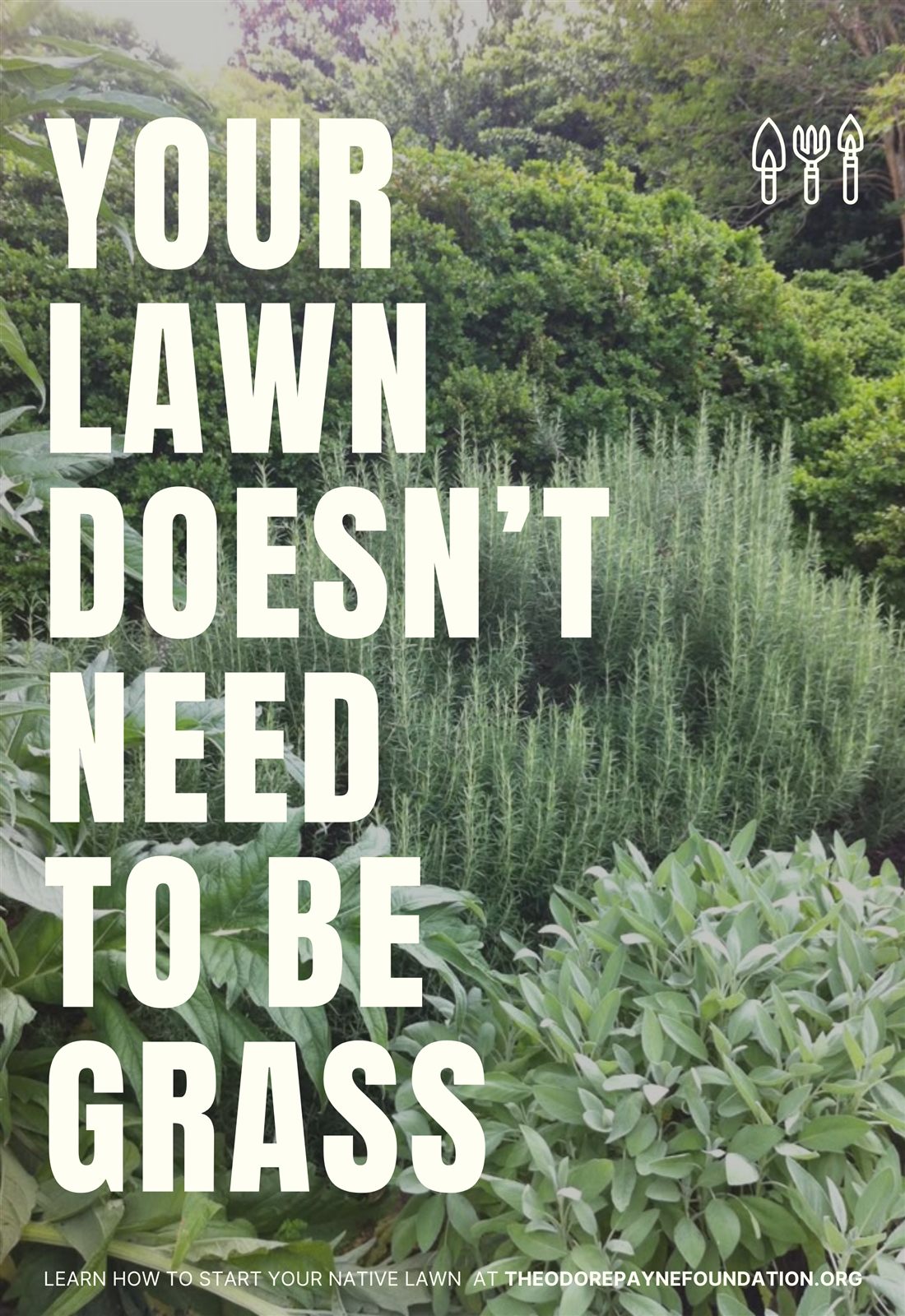
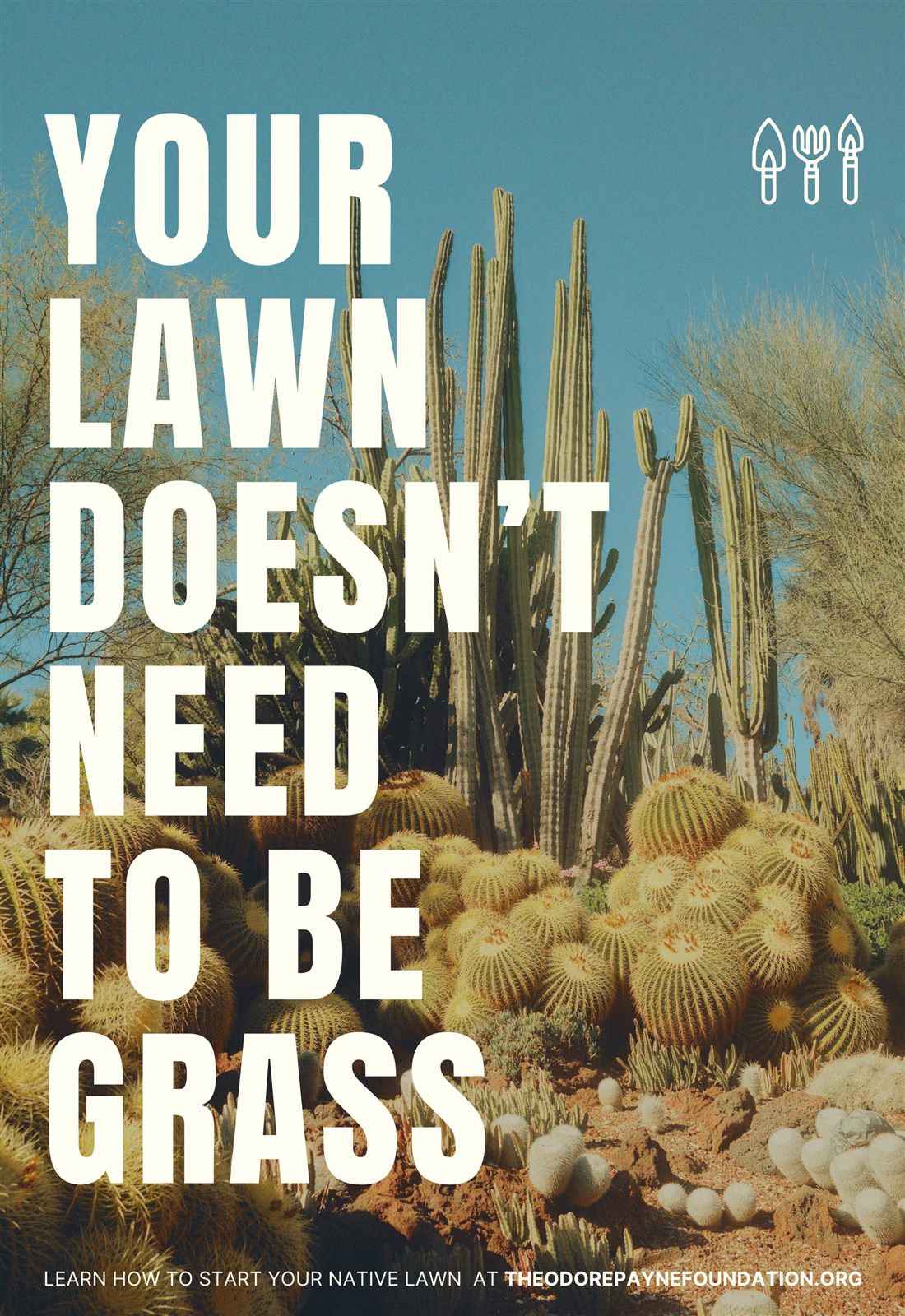
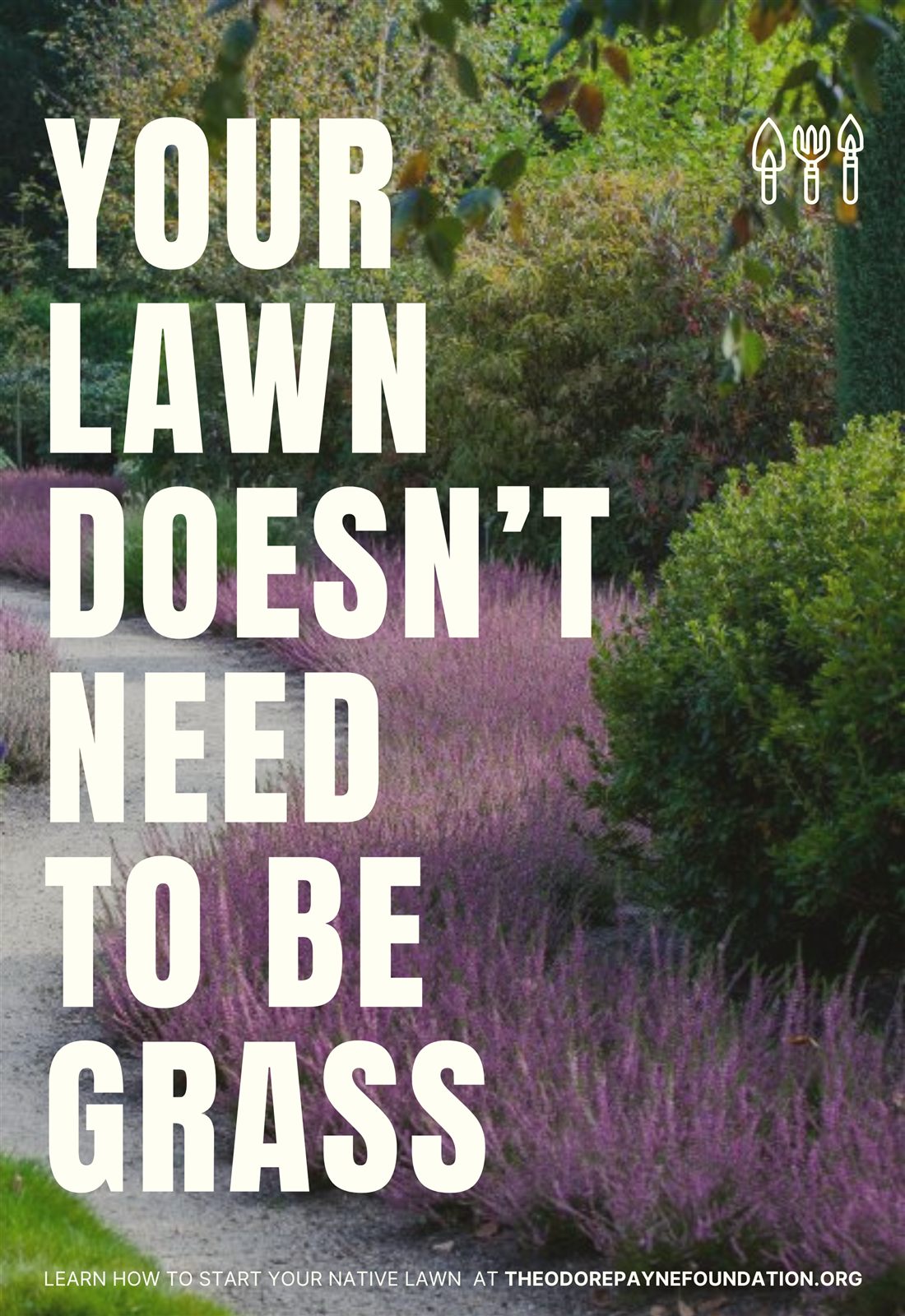
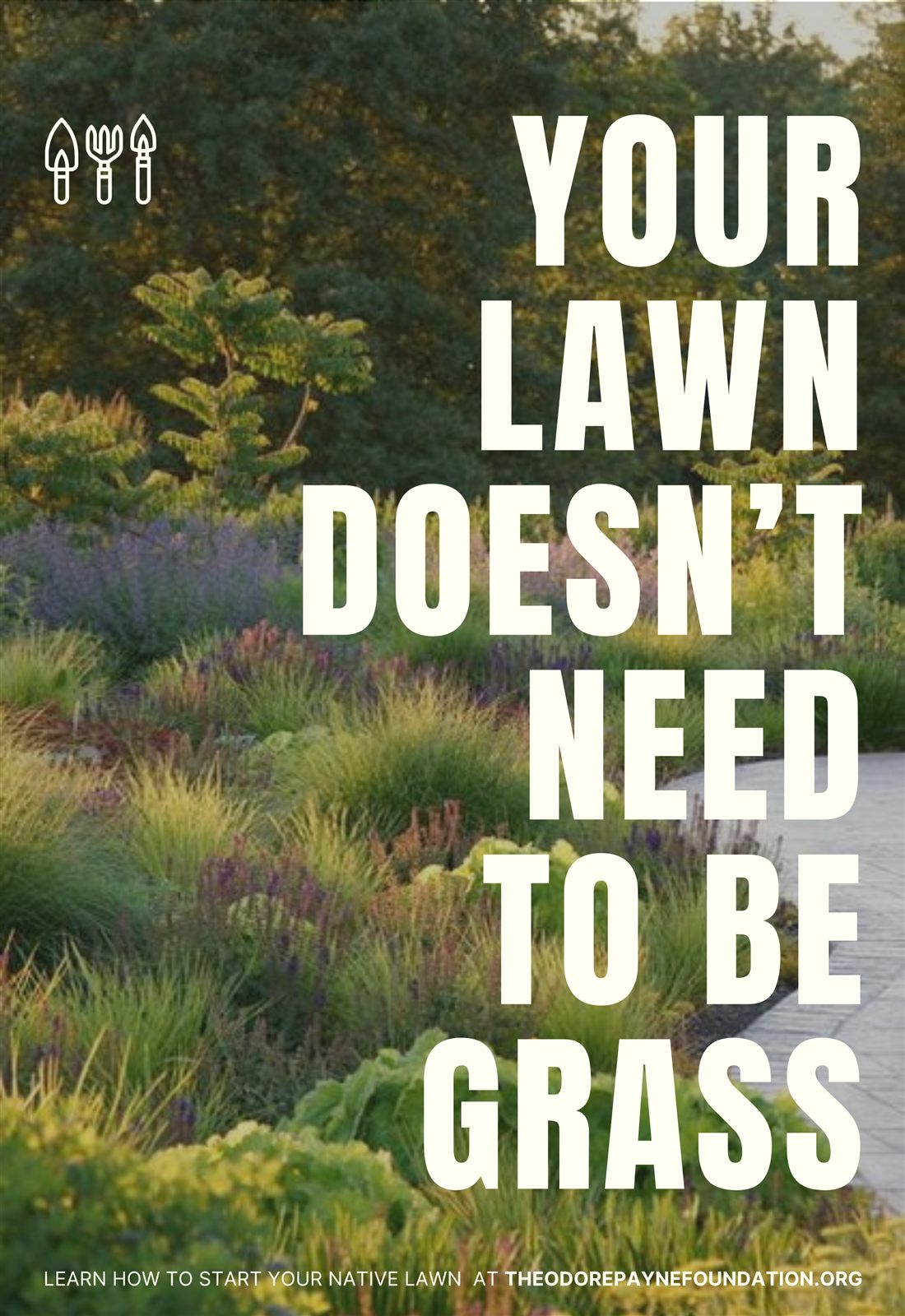
Visually showing alternative options to grass that look beautiful will motivate people to upgrade their grass lawns to something more sustainable.
Digital mockups of the chosen rough designs. At this stage, the "Go Native" format proved confusing to read, which shaped the direction of the final posters.
Four directions carried forward from the semi-tights, each exploring a different way to make the case for native planting.
I played off of the third semi-tight and wanted to do a series of posters rather than one poster showing different types of lawn alternatives.
This design is an informational poster that I could envision being in a museum or in a garden to educate interested parties in how planting native can make a difference. I think this design would also translate well into a webpage.
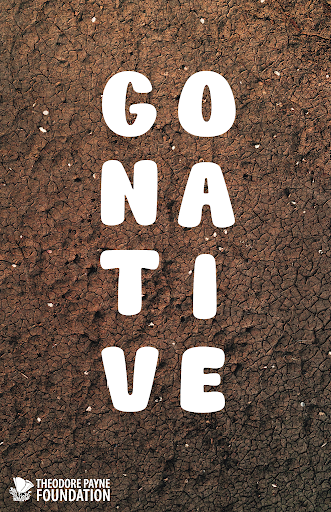
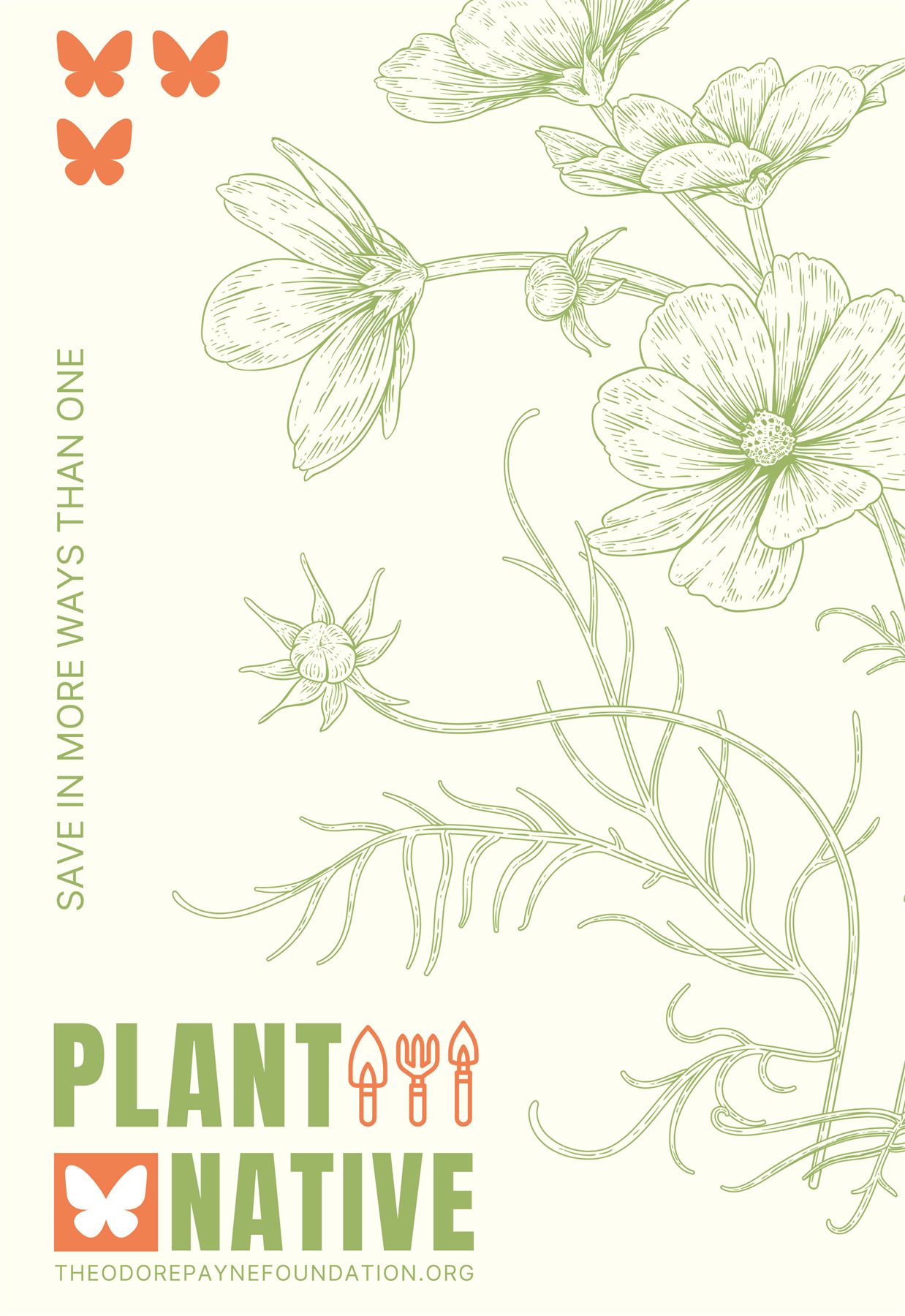
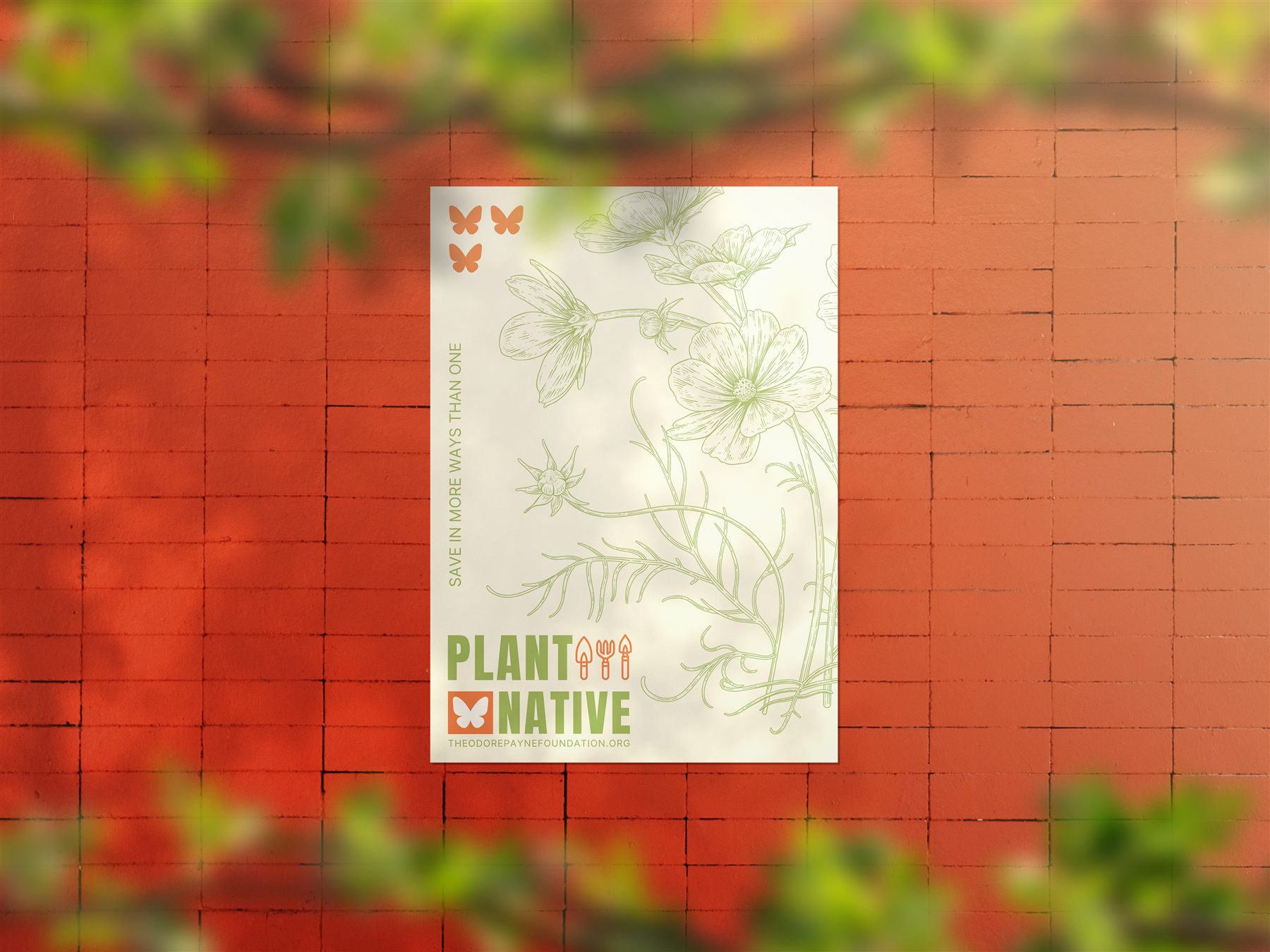
This is a general campaign poster that is focused on the simple message: "plant native." I think it is a lot more visually appealing than Exploration 1 and appeals to a more modern audience.
This is another general campaign poster, but it's photography forward and has a bit more information about the Theodore Payne Foundation's mission upon closer inspection.

My analytical left brain loves the foundation of data in a spreadsheet. My delusional right brain wants to throw a grand masquerade ball with wax sealed invitations delivered via carrier pigeon. They battle it out and settle on a plan that can feasibly come together, but delivers that extra sparkle.
Spending over 7 years in marketing has led me master the somewhat chaotic tango between my right and left brain, and my relentless drive for that something more means I don't stop at industry standard.
At heart, I'm an excitable artsy kid who makes spreadsheets for everything, dreams big and loves learning. You'll find me in sunny SoCal, sipping one of three beverages at my desk with a cat on my lap. If you want to chat careers, life or exchange coffee shop recommendations, don't be shy. Say hello at fainadanielian@gmail.com.